Table of Contents
Introduction
In today’s demanding industrial landscape, ceramic bearings have become synonymous with performance, precision, and reliability. Across industries like aerospace, automotive, oil & gas, and manufacturing, companies are constantly seeking materials that can perform under extreme pressure, temperature, and corrosive conditions. This is where the advantages of ceramic bearings stand out — offering durability, efficiency, and long-term operational benefits that surpass traditional steel bearings.
As a leading ceramic manufacturer, CeramForge designs and delivers high-performance ceramic bearings that redefine operational excellence through advanced material science and precision engineering.
Key Advantages of Ceramic Bearings
The advantages of ceramic bearings go beyond durability; they transform operational efficiency across multiple sectors. Below are some of the most significant benefits of ceramic bearings that make them the preferred choice for modern industries.
High Wear and Corrosion Resistance
One of the standout advantages of ceramic bearings is their exceptional resistance to wear, abrasion, and corrosion.
- Wear resistance: Ceramics maintain their geometry and performance over prolonged use.
- Corrosion resistance: Inert to most acids, alkalis, and solvents, ceramic bearings thrive where metals degrade.
- Ideal for harsh environments: Used effectively in chemical plants, marine systems, and oil refineries.
This makes them particularly valuable in industries exposed to corrosive fluids, high pressure, or abrasive media — ensuring extended service life and reduced maintenance.
Lightweight with High Strength
While lighter than steel, ceramic bearings exhibit remarkable mechanical strength. This unique combination offers several industrial benefits:
- Reduced inertia: Lower weight reduces energy consumption in rotating machinery.
- High load-bearing capacity: Capable of handling significant axial and radial forces.
- Improved efficiency: Enhances speed and precision in dynamic systems.
This advantage is crucial in applications such as aerospace and automotive, where every gram and microsecond count.
Superior Thermal and Electrical Properties
Another major benefit of ceramic bearings is their performance in high-temperature and electrically sensitive environments.
- Thermal stability: Ceramic materials maintain dimensional integrity under high heat.
- Low thermal expansion: Reduces distortion during operation, ensuring smooth motion.
- Electrical insulation: Prevents galvanic corrosion, ideal for electronics and cleanroom applications.
Ceramic bearings thus perform flawlessly in semiconductors, power generation, and defense systems, where reliability under stress is non-negotiable.
Advantages of Using Ceramic Bearings in Industries
Ceramic bearings have become a preferred choice across modern industries due to their superior performance, longevity, and reliability. Unlike traditional steel bearings, ceramic variants deliver measurable advantages that directly support operational efficiency and cost reduction.
Aerospace and Defense
Ceramic bearings excel in aerospace and defense systems where precision, reduced weight, and extreme durability are critical.
Key Advantages:
- Lightweight composition improves fuel efficiency and reduces mechanical load.
- High-temperature stability ensures reliable operation in engines, turbines, and high-speed components.
- Low friction and high RPM capability support smooth rotation in critical flight systems.
- Extended service life reduces maintenance intervals and enhances mission readiness
Oil & Gas and Chemical Processing
Industries dealing with corrosive fluids, high pressure, and continuous operation benefit greatly from ceramic bearing performance.
Key Advantages:
- Superior corrosion resistance against chemicals, acids, corrosive fluids, and hydrocarbons.
- High wear resistance minimizes downtime in pumps, compressors, and rotating equipment.
- Stable performance under extreme pressure and temperature variations.
- Reduced operational costs due to fewer replacements and lower lubrication needs.
Electronics and Semiconductor Manufacturing
Cleanroom environments and high-precision equipment require bearings that do not contaminate or conduct electricity.
Key Advantages:
- Electrical insulation prevents current leakage and arcing during sensitive operations.
- Non-magnetic properties ensure precision alignment of semiconductor equipment.
- Low particle generation supports cleanroom standards and contamination-free production.
- High dimensional stability ensures accuracy in micro-fabrication and wafer handling systems.
Manufacturing & Heavy Machinery
Machinery operating under high loads and continuous cycles rely on bearings that offer durability and efficiency.
Key Advantages:
- Higher load endurance due to the hardness and strength of ceramic material.
- Lower friction improves efficiency and reduces heat generation during prolonged operations.
- Longer component lifespan extends the overall life of manufacturing equipment.
- Reduced lubrication requirements lower maintenance costs and improve system cleanliness.
Automotive & Electric Vehicles (EV)
Ceramic bearings support high-performance mobility systems, especially in modern EV designs.
Key Advantages:
- Lightweight construction contributes to better energy efficiency and range.
- Thermal resistance supports performance during fast acceleration and high-speed rotation.
- Lower rolling resistance improves drivetrain efficiency.
- Greater durability enhances the reliability of motors, transmissions, and wheel systems.
Medical Devices & Healthcare Equipment
Medical-grade equipment requires precision, cleanliness, and long-term reliability.
Key Advantages:
- Non-corrosive and non-reactive material support sterile environments.
- Low friction enables smooth functioning of diagnostic machines and surgical instruments.
- High wear resistance ensures long operating life without frequent replacements.
- Silent operation enhances patient comfort in medical devices.
Food & Beverage Processing
Hygienic and corrosion-free components are essential in food and beverage manufacturing lines.
Key Advantages:
- Moisture and chemical resistance prevent degradation from cleaning agents and food acids.
- Low lubrication requirements reduce contamination risk in hygienic environments.
- Temperature resilience supports both hot and cold processing lines.
- Longer life cycle minimizes production stoppages.
Renewable Energy (Wind & Solar)
Ceramic bearings are increasingly used in systems that demand long-term reliability with minimal maintenance.
Key Advantages:
- High fatigue resistance withstands continuous rotational stress in wind turbines.
- Corrosion resistance protects components exposed to moisture, dust, and outdoor environments.
- Low friction improves energy efficiency and reduces heat build-up.
- Extended operational life lowers long-term maintenance costs.
Material Advantages That Define Performance
The advantages of ceramic bearings come from the intrinsic properties of their materials. We utilize several advanced ceramic compositions engineered for performance:
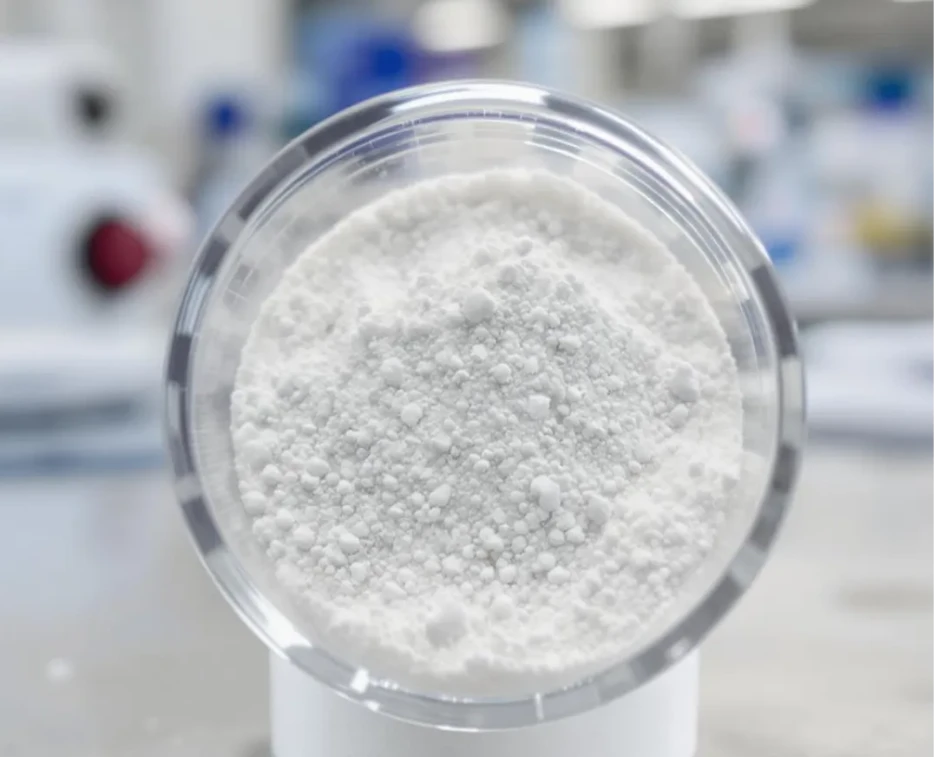
- Alumina (Al₂O₃): Offers excellent hardness, corrosion resistance, and electrical insulation.
- Zirconia (ZrO₂): Provides toughness, high wear resistance, and fracture durability.
- Zirconia Toughened Alumina (ZTA): Combines the best of both materials — hardness from alumina and toughness from zirconia.
Each bearing undergoes isostatic pressing, sintering, and precision finishing to ensure long-lasting stability and reliability in industrial conditions.
Benefits of Ceramic Bearings Across Industries
To summarize, below are the most critical benefits of ceramic bearings that highlight their superiority over conventional options:
- Reduced maintenance costs: Longer service life minimizes replacements.
- Lower friction: Enables smoother motion and energy savings.
- Corrosion resistance: Withstands harsh chemicals and extreme temperatures.
- Dimensional stability: Maintains precision even under thermal or mechanical stress.
- Clean operation: Ideal for sterile, non-lubricated, or contaminant-free environments.
- Environmental efficiency: Reduced need for lubrication supports sustainability.
These advantages of ceramic bearings make them the cornerstone of performance-driven industrial design and reliability.
Industries Benefiting from Ceramic Bearings
We serve a wide range of industries that depend on the benefits of ceramic bearings, including:
- Aerospace & Defense: Lightweight, thermally stable, and vibration-resistant.
- Oil & Gas: Handles corrosive and high-pressure environments.
- Medical & Pharmaceutical: Enables sterile operation and chemical inertness.
- Semiconductor & Electronics: Offers electrical insulation and cleanroom compatibility.
- Energy & Nuclear: Provides wear resistance and long-term operational reliability.
- Food & Beverage Equipment: Ensures non-contaminating, clean-motion performance.
Each sector relies on Our precision-engineered ceramic bearings to meet specific technical and operational demands.
Why Choose Ceramic Bearings
As a global ceramic manufacturer, we lead with expertise in material innovation and precision manufacturing.
- Custom-engineered bearings tailored to industry-specific requirements.
- Advanced materials like Alumina, ZTA, and Zirconia for superior longevity.
- Rigorous quality control ensures dimensional accuracy and consistent performance.
- Global delivery capabilities with application-focused design support
Conclusion
The advantages of ceramic bearings extend far beyond their material properties — they represent innovation, reliability, and the future of industrial performance. As industries continue to evolve, the benefits of ceramic bearings from CeramForge ensure efficiency, longevity, and sustainability in every application.
For systems where traditional metal bearings fall short, we provide the ceramic bearings you can trust — engineered for strength, designed for precision, and built to last.