Table of Contents
Ceramic Materials in Oil & Gas Operations
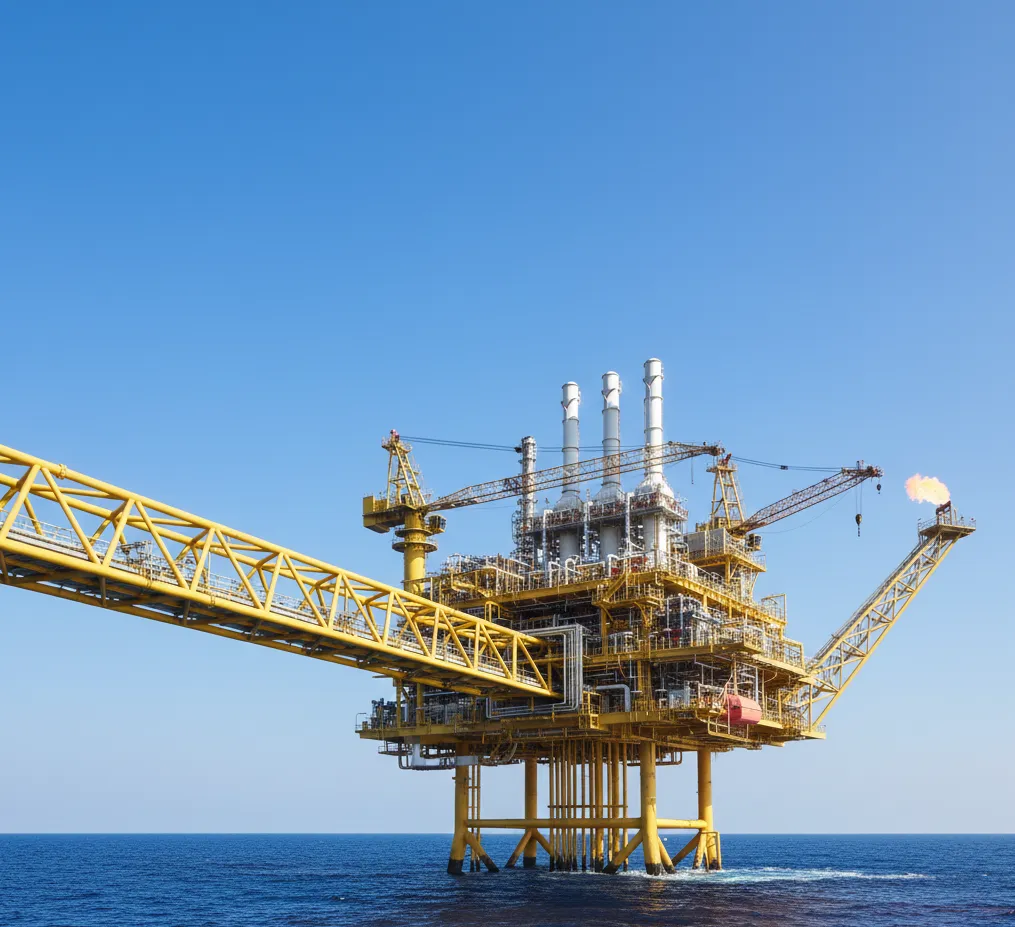
In the oil and gas sector, equipment durability and reliability directly influence operational efficiency, downtime, and overall cost control. Whether it’s upstream drilling, midstream transport, or downstream processing, the industry constantly battles extreme conditions—abrasive slurries, corrosive chemicals, elevated temperatures, and high-pressure cycles. This is where ceramic materials for oil & gas environments have emerged as game-changing solutions.
Unlike metals that erode, corrode, or deform, ceramic materials bring a powerful advantage: stability and performance even in the harshest conditions. For companies looking to extend equipment life, reduce maintenance frequency, and improve operational continuity, choosing the right ceramic materials for oil & gas applications is now a strategic priority.
Across the sector, engineers and procurement teams increasingly rely on industrial ceramics supplied by specialised manufacturers, known for producing advanced ceramic components built for aggressive oilfield environments. This blog explores the best ceramic materials used in oil & gas, their industry relevance, performance benefits, and why they are the preferred material choice.
Engineered Ceramic Performance in Oil & Gas Sector
Oil and gas operations demand materials that can endure chemical exposure, high-velocity particulates, pressure spikes, and temperature swings. In these environments, traditional metals fall short—experiencing wear, corrosion, pitting, deformation, and premature failure.
This is precisely why ceramic materials for oil & gas applications have become essential. These materials provide outstanding surface durability, chemical inertness, and long-term dimensional stability. Unlike metals that undergo fatigue, ceramic materials maintain their structural strength across long operational cycles, even under abrasive or corrosive conditions.
From a business standpoint, the adoption of ceramic materials directly translates to fewer shutdowns, lower maintenance costs, and significantly longer component life. Their stability in aggressive drilling muds, acids, gases, and high-pressure systems makes them invaluable in modern oilfield equipment. As more companies shift to capital-efficient operations, high-performance ceramics play a vital role in ensuring cost-effective reliability.
For suppliers, this shift represents a strong demand for material purity, engineered precision, and industrial-grade consistency—ensuring that every ceramic part delivers the required performance in real-world oilfield conditions.
Key Ceramic Materials Used in Oil & Gas Applications
Several ceramic materials stand out when it comes to durability, resistance, and industrial suitability. While each has unique advantages, their broad contribution to oil & gas reliability remains consistent across upstream, midstream, and downstream operations. Below are the most widely used and high-performance ceramic materials in the sector.
Alumina (Al₂O₃)
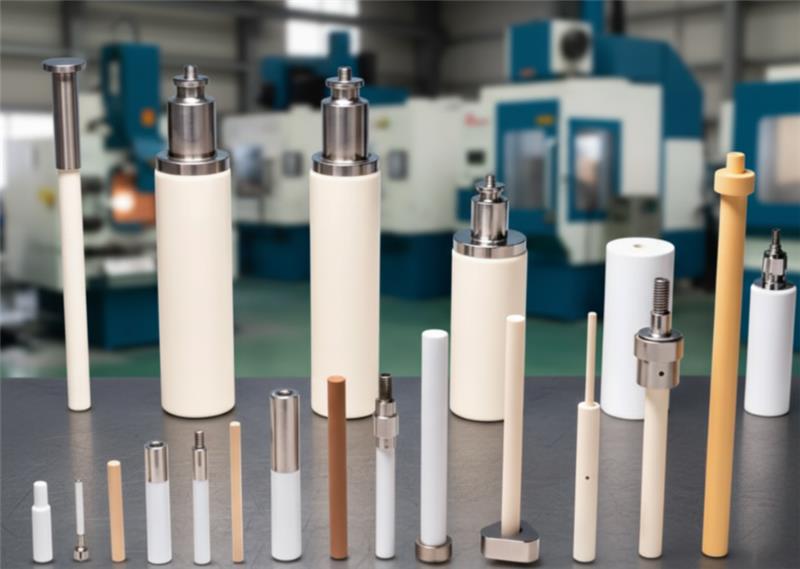
Alumina remains one of the most widely used ceramic materials for oil & gas applications because of its exceptional hardness, thermal stability, and chemical inertness. Alumina components perform reliably in highly abrasive drilling environments and resist chemical attack in fluid handling systems. In oilfield equipment such as sleeves, valve seats, wear liners, and plungers, alumina delivers long-lasting performance without distortion, helping reduce equipment downtime and replacement frequency.
Zirconia (Y-TZP, MgO-PSZ)
Zirconia is renowned for its fracture toughness and mechanical strength, making it ideal for high-pressure and high-impact oilfield components. Zirconia parts are widely used in reciprocating pumps, drilling tools, and flow control systems where operational loads are extremely high. Its ability to perform under cyclic pressure, combined with resistance to thermal shock, makes zirconia one of the most important ceramic materials for oil & gas operations.
Zirconia Toughened Alumina (ZTA)
ZTA blends the best characteristics of alumina and zirconia, delivering strong wear resistance and enhanced toughness. In oil and gas, ZTA is primarily used in components exposed to both abrasion and impact—such as sand-laden flows, drilling muds, and multiphase fluids. Its hybrid composition ensures consistent sealing and structural stability, even in high-velocity particle flows.
Ceramic Materials Used in Oil & Gas Applications
Ceramic materials support a wide range of critical oilfield components that directly influence operational uptime and mechanical reliability. Key application areas include:
- Valve Seats & Flow Control Liners – Provide leak-free sealing performance in abrasive and corrosive fluid environments.
- Plungers & Metering Pump Components – Maintain dimensional accuracy under repetitive high-pressure cycles.
- Downhole Tools & Drilling Equipment – Improve durability in high-impact drilling zones and abrasive downhole conditions.
- Sleeves, Bearings & Wear Rings – Deliver exceptional wear resistance in high-velocity sand-laden flows.
- Hydrocyclones & Separation Equipment – Enhance performance in slurry classification and desanding systems.
These applications highlight how ceramics reduce wear, improve flow control, prevent downtime, and increase operational efficiency—demonstrating why ceramic materials for oil & gas applications have become a standard choice for high-value equipment.
Advantages of Using Ceramic Materials in Oil & Gas
Beyond performance benefits, ceramics bring important operational and financial advantages that oil & gas operators value in today’s cost-conscious environment. One of the biggest reasons companies adopt ceramic materials is the considerable reduction in lifecycle costs. Components last longer, require less maintenance, and perform consistently even under extreme loads.
Ceramic materials are also essential for achieving reliable performance in corrosive environments where metallic components typically fail. This includes exposure to drilling muds, brines, acids, high-pressure CO₂, and sour gas. Their chemical inertness ensures that ceramic components do not degrade, pit, or weaken—even after prolonged use.
From a strategic standpoint, equipment built with industrial ceramics experiences fewer shutdowns and improved asset longevity. For OEMs, this translates into stronger product reliability and competitive differentiation. For operators, it results in fewer replacement cycles, improved safety, and reduced OPEX. Manufacturers supply ceramic materials that are engineered to support this long-term performance, contributing directly to operational continuity.
CeramForge’s Expertise in Ceramic Materials
We plays a pivotal role in supplying advanced ceramic materials for oil & gas applications, combining material science, industrial engineering, and process consistency. Their materials are developed specifically to perform in high-pressure, high-abrasion, and high-corrosion environments.
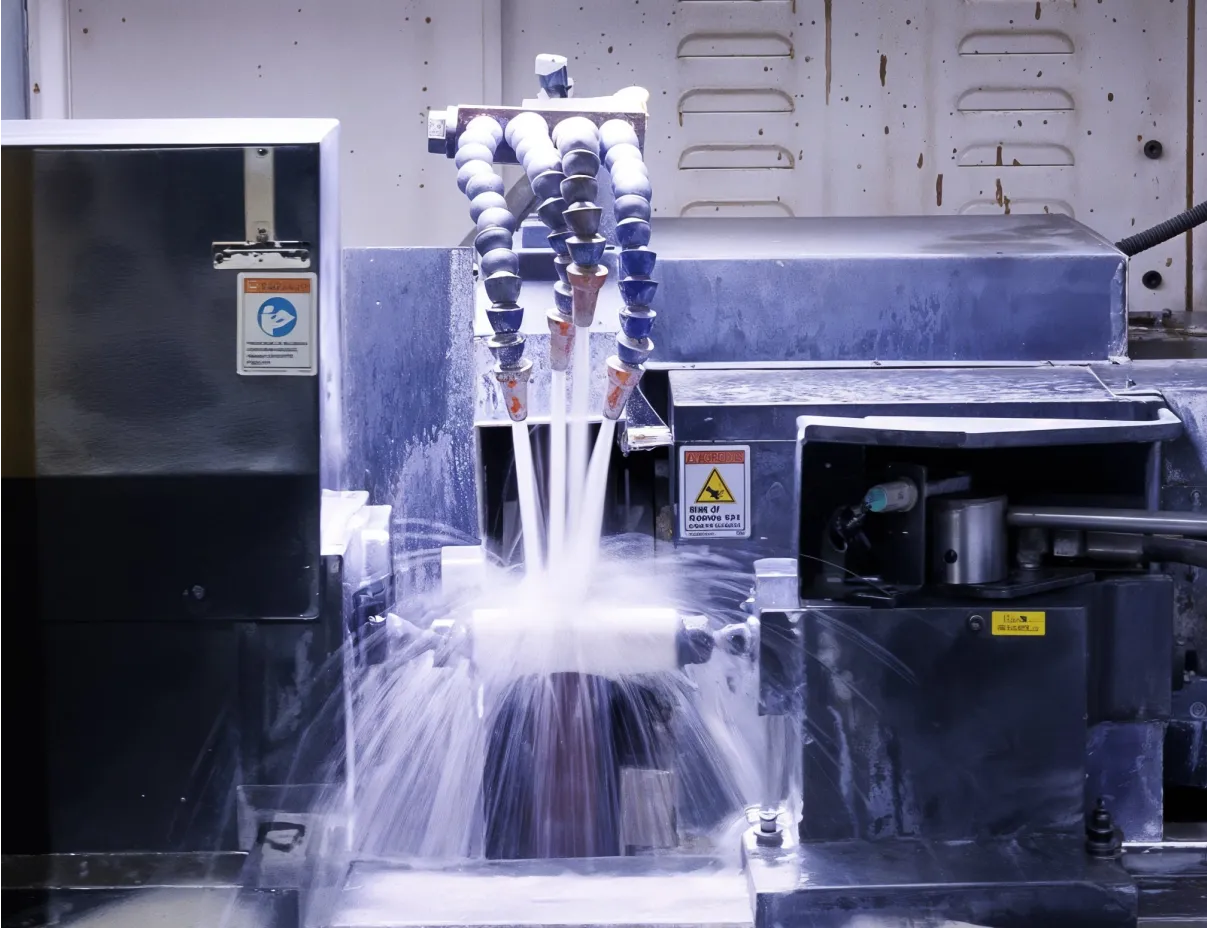
Our production capabilities include stringent raw material inspection, isostatic pressing, high-temperature sintering, and precision grinding—ensuring consistency across every batch. Their industrial ceramics undergo surface finishing processes that enable smooth sealing, long wear life, and excellent mechanical stability. For oilfield OEMs, drilling companies, and pump manufacturers, our materials provide measurable performance improvements.
By aligning material strength with real-world oilfield demands, we ensure that each ceramic component supports long-term durability, operational efficiency, and equipment reliability. This combination of material science and industry understanding is what make us one of the preferred partners for ceramic materials for oil & gas worldwide
Conclusion
As oil & gas operations continue to push into more aggressive and complex environments, the need for durable and efficient materials is more critical than ever. Ceramic materials for oil & gas applications have proven to be far superior to metals in many areas of performance—especially in abrasion resistance, chemical inertness, temperature stability, and long-term reliability.
Across alumina, zirconia, ZTA, SiC, and advanced composites, industrial ceramics now play a central role in ensuring operational stability. We remains a trusted manufacturer for these materials, delivering high-performance ceramic components designed to withstand extreme oilfield conditions.
If your operations demand reliability, longevity, and consistent performance, CeramForge provides the ceramic solutions that keep your equipment running at its best.