Table of Contents
Introduction
In today’s industrial landscape, efficiency and precision define operational success. The hydrocyclone has become one of the most vital tools for achieving these goals — serving industries that depend on solid-liquid separation, dewatering, and classification. From mining and oil refining to wastewater treatment and chemical processing, hydrocyclones combine performance, compact design, and reliability.
Yet, in environments with abrasive slurries or corrosive media, conventional metal or polyurethane hydrocyclones wear down quickly. CeramForge’s ceramic hydrocyclones solve this issue by integrating advanced ceramic materials into critical wear zones, ensuring exceptional durability, chemical resistance, and long service life.
This hydrocyclone complete application guide explores the hydrocyclone uses, hydrocyclone benefits, and hydrocyclone applications that help industries achieve superior efficiency and return on investment.
Understanding Hydrocyclone Working and Design
What is a Hydrocyclone?
A hydrocyclone is a device that separates solid particles from a liquid using centrifugal force. The slurry enters tangentially, generating a vortex that pushes denser particles outward toward the wall while lighter particles exit through the overflow.
This simple yet powerful mechanism makes hydrocyclones compact, energy-efficient, and ideal for continuous operations — all without moving parts.
Why Ceramic Hydrocyclones Perform Better
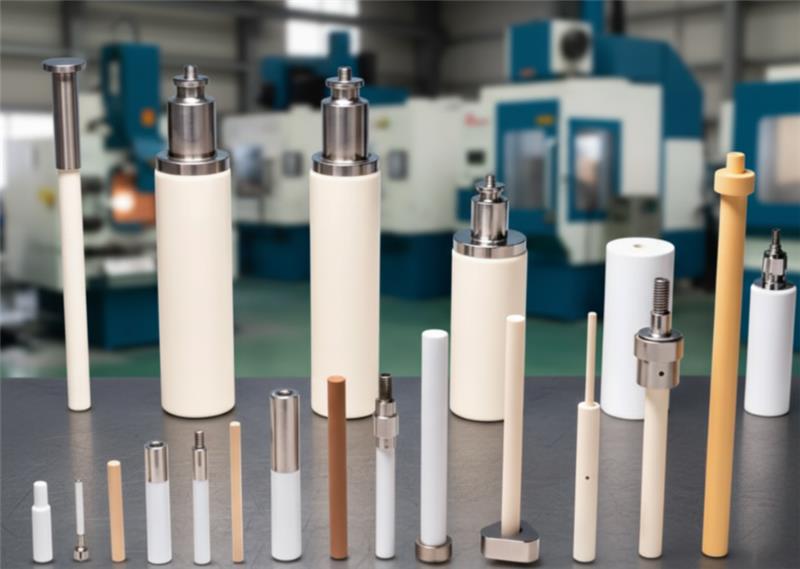
While standard hydrocyclones use steel or polymer linings, our ceramic hydrocyclones employ Zirconia Toughened Alumina (ZTA), Yttria-Stabilized Zirconia (YSZ), and Alumina (Al₂O₃) in critical internal sections like the cone, vortex finder, and apex.
These materials offer:
- Exceptional wear resistance in abrasive slurry environments
- Superior dimensional stability under pressure
- Chemical and corrosion resistance against harsh fluids
- Longer operational life and minimal maintenance
Each hydrocyclone undergoes isostatic pressing, high-temperature sintering, and precision grinding to maintain structural integrity and high performance in industrial applications.
Key Hydrocyclone Applications Across Industries
Hydrocyclones are indispensable in industries that depend on efficient separation and classification. Below are the major hydrocyclone uses where our ceramic solutions provide measurable performance advantages.
Mining and Mineral Processing
- Particle classification in grinding circuits
- Tailings dewatering for mineral recovery
- Desliming fine particles to enhance flotation
- Thickening operations for improved slurry management
Our hydrocyclones ensure long service life, reduced downtime, and stable separation accuracy — even in the harshest mining environments.
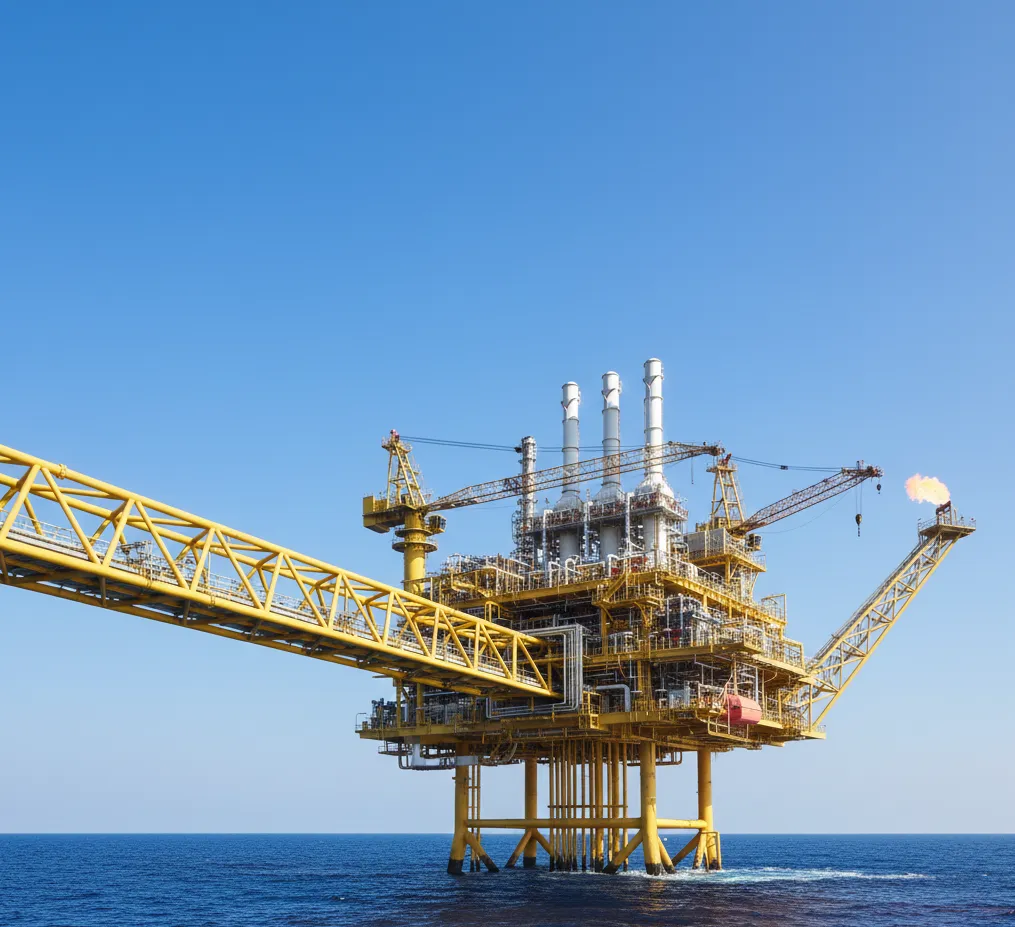
Oil & Gas Sector
- Desanding and produced water treatment
- Drilling mud recovery and slurry handling
- Refinery separation processes under high pressure
Here, hydrocyclone benefits include outstanding corrosion resistance, consistent efficiency under pressure, and long-term cost savings.
Our hydrocyclones are engineered for high-pressure, high-velocity applications, making them ideal for both offshore and onshore operations.
Chemical and Process Industries
- Liquid-solid separation to remove impurities or catalysts
- Liquid-liquid separation for immiscible fluids
- Slurry concentration and thickening
The hydrocyclone applications in chemical processing emphasize reliability, purity, and operational uptime. Our ceramic linings prevent corrosion and maintain purity in chemically aggressive environments.
Water Treatment and Desalination
- Sand and silt removal in effluent systems
- Protection of pumps and membranes in desalination plants
- Clarification of process water before recycling or discharge
The hydrocyclone uses in this sector contributes to sustainability by improving efficiency and reducing water waste.
Our ceramic hydrocyclones provide long-term stability and low maintenance for continuous operation.
Energy and Power Generation
- Ash and particulate removal from cooling systems
- Fuel and feedwater purification
- Slurry conditioning in nuclear and thermal power plants
These hydrocyclone applications ensure better energy conversion and equipment longevity.
Our designs withstand high temperature and pressure, ensuring consistent separation efficiency across energy sectors
Hydrocyclone Benefits That Drive Industrial Efficiency
High Wear Resistance
- Ceramic materials endure erosion from abrasive slurries
- Retain geometry and structure over extended operations
- Provide 5x longer service life than metal alternatives
Improved Process Efficiency
- Achieve precise particle classification and sharper cut-point control
- Reduce bypass of fines or oversized material
- Enhance downstream performance in flotation or filtration
Corrosion and Chemical Resistance
- Suitable for acidic, alkaline, or solvent-rich fluids
- Prevent degradation and contamination
- Ensure reliability in the chemical and oil & gas industries
Reduced Downtime and Maintenance
- Require fewer replacements due to extended wear life
- Lower maintenance frequency reduces operational costs
- Maintain consistent flow and separation accuracy
Cost Efficiency and ROI
- Lower total cost of ownership over time
- Optimized energy use for better process efficiency
- Higher overall profitability and system reliability
Each of these hydrocyclone benefits underscores our commitment to precision manufacturing and long-term client value.
Hydrocyclone Components and Materials
We design every component to maximize operational life and performance reliability.
Key Components:
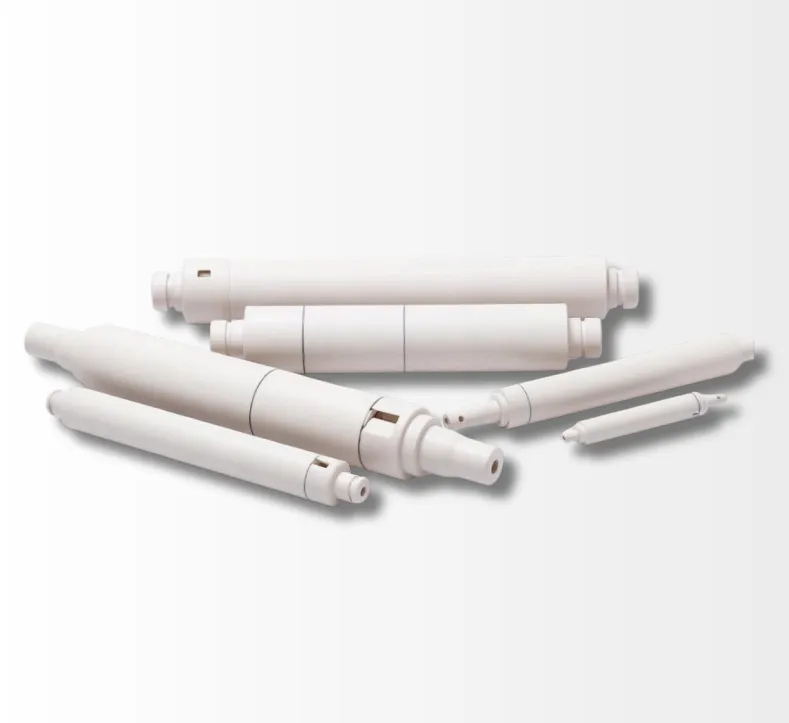
- Cone and Cylinder Section: Controls fluid motion and separation accuracy. Ceramic cones maintain structural strength even in abrasive slurry conditions.
- Apex (Spigot): Exposed to the heaviest wear; ceramic spigots ensure stable underflow discharge.
- Vortex Finder: Regulates overflow and enhances separation precision; ceramic vortex finders prevent corrosion and maintain consistent flow patterns.
Core Materials Used:
- Zirconia Toughened Alumina (ZTA)
- Yttria-Stabilized Zirconia (YSZ)
- High-Purity Alumina (Al₂O₃)
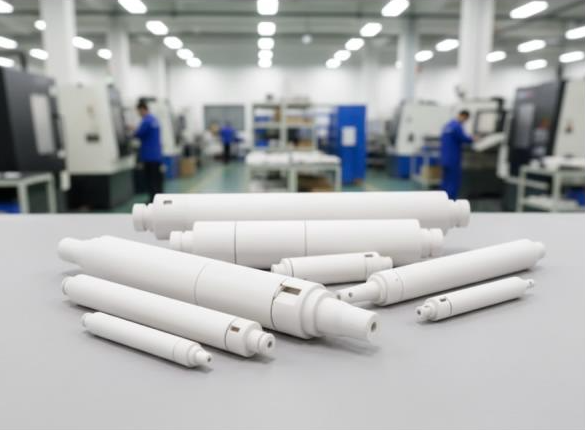
These materials are manufactured using isostatic pressing, sintering, and fine grinding, resulting in high structural integrity, dimensional precision, and extended operational lifespan.
Hydrocyclone Applications by Industry
The versatility of hydrocyclones is evident in their use across multiple sectors. Below is a quick summary of key industries and their most common hydrocyclone applications:
- Mining & Mineral Processing: Classification, dewatering, and desliming operations
- Oil & Gas: Desanding, produced water separation, and slurry control
- Chemical Industry: Catalyst recovery and slurry management
- Water Treatment: Effluent clarification and solids removal
- Power Generation: Ash removal and slurry conditioning
Across these industries, our ceramic hydrocyclones consistently deliver long-term efficiency, durability, and process reliability.
Why Choose Ceramic Hydrocyclones
Every hydrocyclone is built to deliver measurable improvements in performance, cost savings, and lifecycle value. We stand out for our innovation, precision, and deep understanding of industrial challenges.
Advantages:
- Customized hydrocyclone designs for OEM retrofits
- Extensive ceramic material range to match process needs
- Proven track record across mining, chemical, and energy sectors
- End-to-end technical support and performance optimization
By combining engineering expertise with advanced ceramics, we ensure customers gain longer uptime, reduced maintenance, and higher productivity.
Conclusion
The hydrocyclone remains a critical part of modern industrial systems – a compact yet powerful tool that ensures separation efficiency and process consistency. When enhanced with ceramic materials, it transforms into a high-performance solution that resists wear, corrosion, and chemical degradation.
From mining and oil refining to chemical processing and desalination, the hydrocyclone uses and hydrocyclone benefits are integral to industrial success.
At CeramForge, each ceramic hydrocyclone is engineered for endurance, precision, and superior cost efficiency — helping industries achieve sustainable performance and a competitive edge.