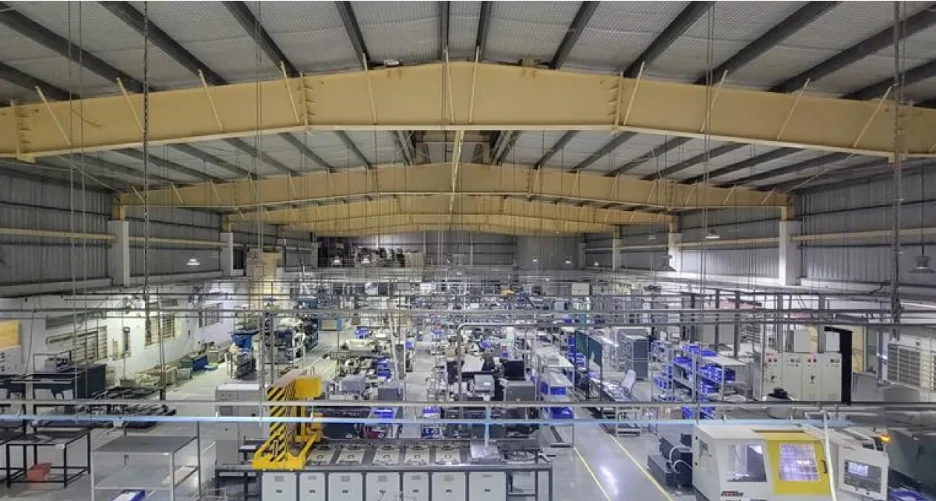
The ceramic industry process in 2026 reflects a decisive shift toward precision, consistency, and performance-driven manufacturing. As industries such as oil & gas, aerospace, energy, electronics, and advanced manufacturing continue to demand higher reliability from materials, the ceramic industry has evolved into a technology-led ecosystem rather than a conventional production sector. Today’s best ceramic industry process combines advanced material science, automated processing, digital quality control, and application-specific engineering.
For an industrial ceramic manufacturer, success in 2026 is defined by process stability, repeatability, and the ability to deliver ceramics that perform under extreme mechanical, thermal, and chemical conditions. Companies like CeramForge represent this new generation of ceramic manufacturing—where every stage of the ceramic industry process is aligned with end-use performance rather than volume production alone.
Table of Contents
Evolution of the Ceramic Industry Process in 2026
The modern ceramic industry process has moved far beyond traditional forming and firing methods. In 2026, ceramic manufacturing is shaped by industrial automation, data-driven decision-making, and tighter integration between material selection and application requirements. The ceramic industry now prioritises performance predictability and long service life over generic material outputs.
Unlike earlier production models, the best ceramic industry process today begins with understanding operational environments—abrasive flow, high pressure, corrosive chemicals, thermal cycling, and mechanical loading. Industrial ceramic manufacturers design their ceramic industry process to match these conditions from the very first step. This shift has transformed ceramics from passive materials into engineered components critical to system reliability.
As a result, the ceramic industry has become an essential contributor to industrial uptime, safety, and lifecycle cost reduction. Manufacturers such as CeramForge structure their ceramic industry process to meet global industrial standards while delivering customised ceramic solutions at scale.
Raw Material Engineering in the Ceramic Industry Process
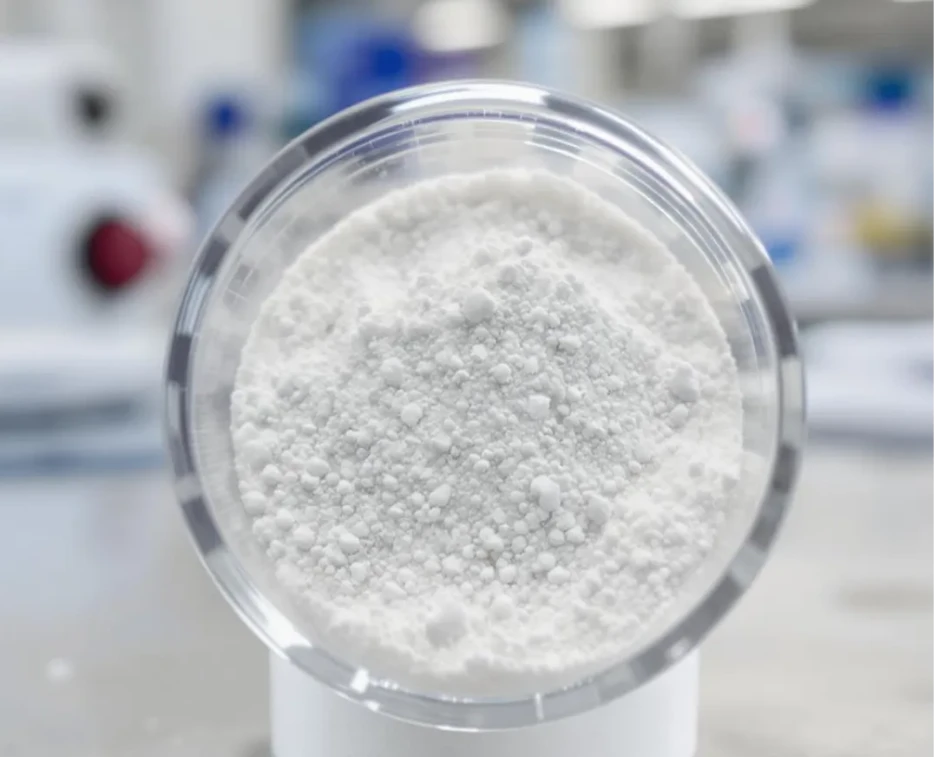
Raw material control defines the foundation of the modern ceramic industry process. In 2026, ceramic production begins with engineered powders rather than raw minerals alone. Industrial ceramic manufacturers carefully select alumina, zirconia-based compositions, and composite ceramic blends based on purity, particle size distribution, and compatibility with the final application.
Within the ceramic industry, raw material engineering directly influences wear resistance, chemical stability, and mechanical strength. The best ceramic industry process includes advanced powder conditioning to ensure uniformity across production batches. Moisture control, particle morphology, and contamination prevention are now standard requirements rather than optional enhancements.
For an industrial ceramic manufacturer like CeramForge, raw material evaluation is not a procurement step—it is a performance validation phase. This approach ensures that the ceramic industry process delivers materials capable of withstanding aggressive industrial environments without premature failure.
Forming and Densification in the Ceramic Industry Process
Forming technologies play a critical role in shaping the modern ceramic industry process. In 2026, ceramic components are formed using controlled techniques that maximise density while minimising internal defects. Isostatic pressing, extrusion, and precision moulding dominate industrial ceramic manufacturing due to their ability to produce uniform, high-strength components.
The best ceramic industry process focuses on eliminating internal voids, density gradients, and structural inconsistencies during forming. These factors directly affect wear behaviour, sealing performance, and fatigue resistance in real-world applications. For industrial ceramic manufacturers, forming is no longer about geometry alone—it is about ensuring structural integrity throughout the component’s service life.
CeramForge integrates forming methods into a tightly controlled ceramic industry process, enabling consistent replication of complex industrial ceramic components used in demanding sectors such as oil & gas and energy processing.
High-Temperature Sintering in the Ceramic Industry
Sintering remains one of the most defining stages of the ceramic industry process, but in 2026 it is executed with unprecedented precision. Modern ceramic sintering is controlled through digitally monitored kilns that regulate temperature gradients, dwell times, and atmospheric conditions. This level of control ensures predictable material properties across every production run.
Within the ceramic industry, sintering transforms formed components into dense, load-bearing industrial ceramics. The best ceramic industry process ensures that sintering achieves optimal hardness, chemical inertness, and dimensional stability without inducing residual stresses. Poor sintering compromises performance; advanced sintering enhances it.
Industrial ceramic manufacturers like CeramForge treat sintering as a strategic capability rather than a routine step. The ceramic industry process is calibrated to balance strength, toughness, and thermal resistance, aligning final properties with specific industrial use cases.
Precision Finishing and Quality Control in the Ceramic Industries
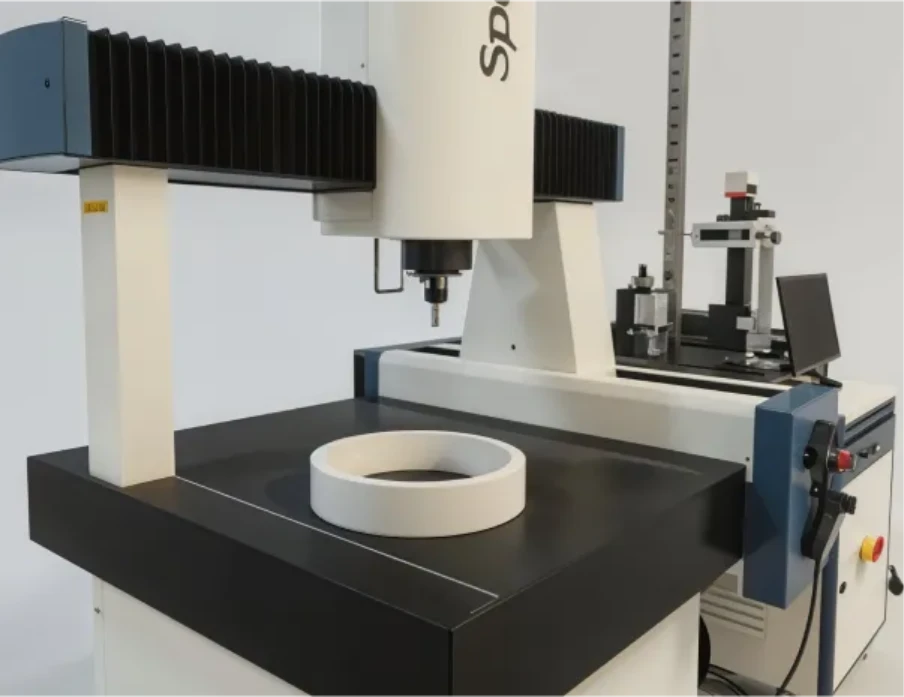
Precision finishing defines the difference between standard ceramics and high-performance industrial ceramics. In the modern ceramic industry process, grinding, lapping, and surface finishing are executed with micron-level accuracy to meet strict industrial tolerances. Sealing surfaces, flow interfaces, and wear zones require exceptional surface integrity.
The best ceramic industry process integrates quality control throughout production rather than limiting inspection to final stages. Dimensional verification, surface roughness analysis, density measurement, and microstructural evaluation ensure that every ceramic component meets functional expectations before deployment.
For an industrial ceramic manufacturer, quality validation is inseparable from reputation and reliability. CeramForge embeds inspection protocols into its ceramic industry process, ensuring consistent output for mission-critical industrial applications.
Integration of the Ceramic Industry Process with Industrial Applications
In 2026, the ceramic industry process is no longer isolated from end-use considerations. Industrial ceramic manufacturers design their production workflows around application requirements such as erosion resistance, thermal stability, corrosion protection, and load-bearing capacity. This application-driven approach defines the best ceramic industry process.
Ceramics produced through modern ceramic industry processes are widely used in:
- High-pressure pumping systems
- Flow control and valve assemblies
- Downhole tools and wear components
- Chemical processing equipment
- Energy and power generation systems
The ceramic industry now operates as an extension of industrial system design rather than a standalone material supplier. CeramForge exemplifies this approach by aligning its ceramic industry process with the operational demands of industrial customers worldwide.
Conclusion: The Future of the Ceramic Industry Process
The ceramic industry process in 2026 represents a mature, performance-focused manufacturing ecosystem built around reliability, consistency, and application-driven design. The best ceramic industry process integrates raw material science, precision forming, controlled sintering, advanced finishing, and rigorous quality validation into a seamless workflow.
For an industrial ceramic manufacturer, this evolution defines competitiveness in a market where failure is not an option. CeramForge stands at the forefront of this transformation, delivering industrial ceramics engineered through a modern ceramic industry process that supports long-term performance in the most demanding environments.
As the ceramic industry continues to evolve, manufacturers that invest in process excellence rather than volume output will define the next decade of industrial ceramics.